
 Turnkey Inside
Forex Broker Cybersecurity – If you’re running or planning to launch a forex brokerage, cybersecurity is one of those things you just can’t ignore anymore. It doesn’t matter if you’re a small offshore firm or fully licensed in Europe. If your system gets breached, it’s game over.
Forex trading involves significant amounts of money and sensitive data flowing in and out of your brokerage every day, making it a prime target for cybercriminals.
Read More: How to Start a Forex Business & Broker Company
And let’s be honest here, the last thing you want is a breach of security causing clients to lose trust in your platform.
Why Cybersecurity Matters for Forex Brokers
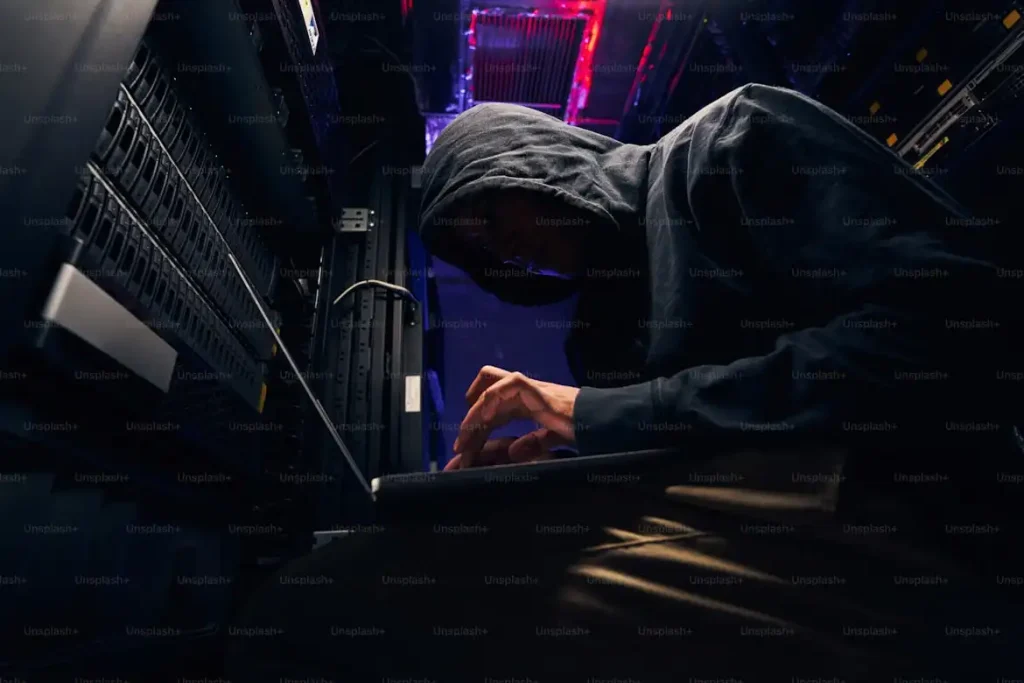
Forex Broker Cybersecurity – Think about what kind of data you’re handling as a broker. Personal IDs, proof of address, banking info, wallet addresses, trading history, withdrawal records the list goes on. Combine that with real-time transaction systems, and you’ve got a goldmine for hackers.
In fact, in 2023 alone, the financial sector accounted for over 18% of all targeted cyberattacks, according to IBM’s annual X-Force Threat Intelligence Index.
Forex brokers, especially those using platforms like MetaTrader 4 or 5, are particularly vulnerable if not properly secured. These platforms are widely used, yes, but that also means they’re widely studied by bad actors too.
And if you’re accepting crypto deposits, the risks multiply. Blockchain transactions are irreversible. So if someone gains access to a client’s wallet via your system, the funds are gone. No chargeback. No undo button.
Common Vulnerabilities in Forex Brokerage Systems
There’s a few areas that get overlooked more than they should:
Weak Admin Passwords: Still seeing brokers using “admin123” or no 2FA for their back-office access. Seriously?
Unpatched MT4/MT5 Servers: Many brokers delay updates fearing downtime. But skipping those patches leaves you exposed to known exploits.
Lack of API Security: If you’re integrating with payment gateways or liquidity bridges, unsecured APIs are a hacker’s playground.
Email Phishing Attacks: Client portals are often mimicked to steal login details. Some newer brokers don’t even have SPF/DKIM set on their mail servers to prevent spoofing.
No DDoS Protection: Imagine your site going down during a high-volatility trading day. Even 10 minutes of downtime could cost you clients.
You might think, “It won’t happen to me.” But many breaches are inside jobs or mistakes, an outdated plugin, a poorly configured firewall, or even unsecured test environments.
Best Practices for Securing Client Data & Funds
Forex Broker Cybersecurity – When you’re managing a forex brokerage, the responsibility to protect client data and funds is entirely on you.
Traders are entrusting you with their identity, their strategies, and often large amounts of capital. That trust can vanish overnight if a breach happens. Let’s break down.
1. Encryption and Secure Transactions
Forex Broker Cybersecurity – You should always use strong encryption. SSL/TLS encryption is standard for protecting data in transit between your client’s browser and your servers.
Some brokers tout “advanced encryption,” but unless you specify which protocols (like AES or RSA), clients might not trust your claims. Don’t just say you’re secure, prove it.
2. Two-Factor Authentication (2FA)
Forex Broker Cybersecurity – Adding 2FA is one of the simplest ways to boost security. Even if someone steals a password, they’ll need a second form of identification (usually a code sent to a mobile device) to get in.
I’ve seen brokers skip this step, and it’s almost always a mistake.
3. Firewalls and Intrusion Detection
Forex Broker Cybersecurity – Firewalls block unauthorized access, and intrusion detection systems (IDS) monitor for suspicious activity.
These tools are non-negotiable. If you don’t have them, you’re basically leaving your doors unlocked.
4. Segregation of Client Funds
Forex Broker Cybersecurity – Regulators require you to keep client funds in separate accounts from your own operational funds.
This isn’t just about compliance, it’s about protecting your clients if something goes wrong. If you mix funds, you’re risking everything.
5. Regular Software Updates and Patch Management
Forex Broker Cybersecurity – Outdated software is a hacker’s best friend. Make sure you’re updating your trading platforms, CRM, and payment systems regularly.
I’ve seen breaches happen simply because someone forgot to update a plugin.
6. Employee Training and Access Control
Forex Broker Cybersecurity – Most breaches happen because of human error. Train your staff to recognize phishing attempts and suspicious activity.
Limit access to sensitive data, only give permissions to those who truly need it.
7. Secure Payment Solutions
Forex Broker Cybersecurity – Use payment service providers (PSPs) that are integrated with your trading platform and have strong anti-fraud measures.
This reduces the risk of unauthorized transactions and chargebacks. Manual payment processing is risky and slow.
8. Ongoing Monitoring and Incident Response
Forex Broker Cybersecurity – Monitor your systems for unusual activity, such as large fund transfers or multiple failed login attempts.
Have a clear incident response plan in place so you know exactly what to do if a breach happens.
Cybersecurity and Regulatory Compliance

Forex Broker Cybersecurity – Depending on your jurisdiction, regulators may already require cybersecurity frameworks. If you’re under FCA, ASIC, or CySEC, you’ll need to show evidence of data protection, incident response plans, and risk assessments.
Don’t wait for them to ask. Document your processes. Set up internal SOPs (Standard Operating Procedures) for suspicious login monitoring, DDoS events, or attempted wallet withdrawals. Store logs securely.
Also, make sure your CRM provider or white-label platform includes compliance-grade security. If you’re building from scratch, cybersecurity should be part of the architecture from day one, not something you patch on later.
Read More: How to Choose Forex Back Office Software for Your Brokerage
Protecting Your Forex Business Now!
Forex Broker Cybersecurity – Cybersecurity in forex trading isn’t a one-time project. It’s an ongoing process that requires vigilance, investment, and a willingness to adapt as threats evolve.
If you’re serious about protecting your clients and your business, start making changes today. Don’t wait for a breach to force your hand.
If you’re thinking about starting your own forex broker or want to upgrade your current operations, Turnkeyinside can help you set up a secure, compliant, and reliable brokerage from day one.
Reach out for a consultation and take the first step toward building a safe trading environment for your clients.
Protect your clients. Protect your business. And don’t forget cybersecurity is everyone’s responsibility, including yours.
