

 Turnkey Inside
When it comes to running a forex brokerage, technology is what keeps everything ticking smoothly behind the scenes. Without the right tools and systems in place, things can quickly go downhill, slow trade execution, compliance issues, or even risk management failures.
So, if you’re thinking about starting a brokerage or improving your existing one, investing in the right tech infrastructure isn’t just a good idea, it’s essential.
Let’s dive into what you need to know about the key technological components for a forex brokerage.
1. Trading Platforms
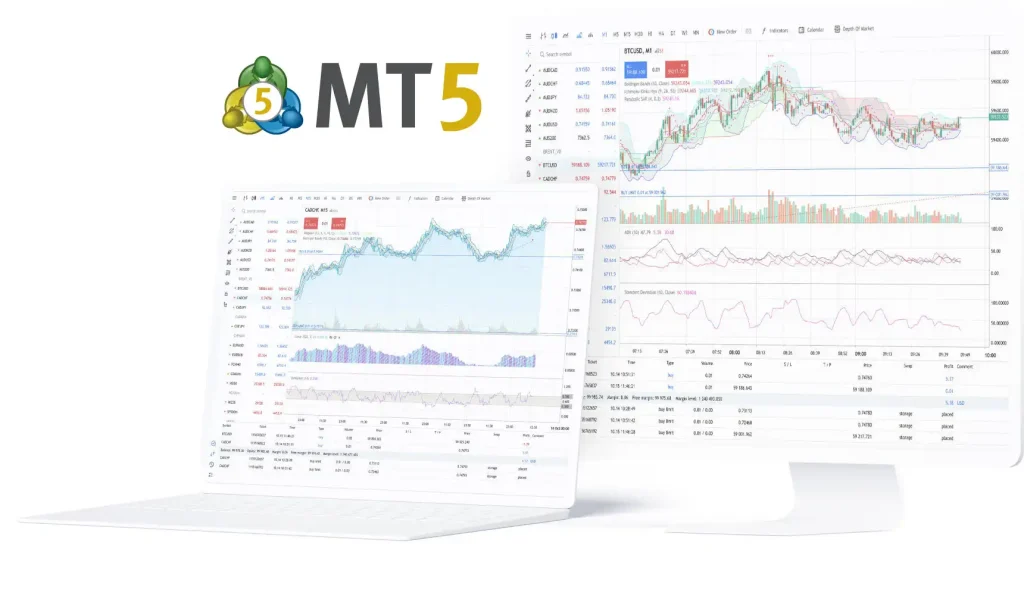
First things first trading platforms are the core of any brokerage. This is where your clients execute their trades, analyze the markets, and manage their positions. The most popular choices today are MetaTrader 4 (MT4) and MetaTrader 5 (MT5).
MT4 is still the industry standard for forex trading, loved for its robust charting tools and automated trading capabilities through Expert Advisors (EAs). It’s simple, reliable, and works for a wide range of traders.
However, if you’re looking for something with a little more versatility, MT5 offers multi-asset trading, more advanced order types, and faster execution. It’s perfect for brokers who want to offer more than just forex, expanding into commodities, stocks, or cryptocurrencies.
Another great platform is cTrader, known for its transparency and institutional-grade features, making it ideal for traders who value precision and control.
If none of these options seem quite right for your needs, you could always go with a custom-built platform. While this takes more investment, it offers a fully unique trading experience tailored exactly to your brokerage’s requirements.
2. CRM and Back-Office Systems
Now that we’ve covered the front-end trading experience, let’s talk about the backend where all the management happens. Having a solid Customer Relationship Management (CRM) and back-office system is crucial for running your brokerage efficiently.
A well-integrated CRM doesn’t just store client contact information; it manages everything from onboarding to compliance, payments, and even affiliate programs.
For example, you’ll need a system that automates KYC (Know Your Customer) and AML (Anti-Money Laundering) checks to stay compliant. Manual checks are slow and prone to error, so automation can save you time while reducing risk.
Additionally, integrating payment processing directly into your CRM will streamline deposits and withdrawals, creating a smoother experience for your traders.
Lastly, don’t forget about managing your partners. If you work with Introducing Brokers (IBs) or affiliates, a good CRM will help manage commission structures, track leads, and ensure everyone gets paid on time.
3. Liquidity Bridge and Connectivity
Liquidity is another critical element for your brokerage. Without it, your traders will face issues like slippage, delayed execution, and even order rejections.
A liquidity bridge connects your brokerage to liquidity providers, ensuring smooth and seamless trade execution. If you want direct access to the markets, make sure your bridge supports FIX API integration, this provides faster order routing and more control over the trading environment.
You might also want to look into multi-LP aggregation, which connects you to multiple liquidity providers at once. This ensures that your clients always get the best possible bid/ask prices.
Finally, for brokers operating on an STP (Straight-Through Processing) or ECN (Electronic Communication Network) model, liquidity bridges are especially important. These models reduce broker risk by passing trades directly to the market, instead of taking the opposite side of a trade like a market maker.
4. Risk Management & Compliance Technology
Risk management is essential to protecting your brokerage from financial instability, especially during periods of market volatility.
You’ll need tools that allow you to monitor trades in real-time and flag any suspicious activity. Trade surveillance systems are particularly helpful here, as they automatically watch for patterns that could indicate market manipulation or fraudulent behavior.
In addition to monitoring, real-time reporting tools are a must for compliance. Regulatory bodies will expect detailed audit trails of trades, and automated systems make it easier to stay compliant without manually tracking everything.
Another essential tool is automated hedging, which helps brokers mitigate their exposure to high-risk trades by balancing positions in real time.
5. Payment Solutions & Fund Security
Let’s face it, the faster your clients can deposit and withdraw funds, the happier they’ll be. Having a solid payment system that supports multiple gateways whether it’s bank transfers, e-wallets, or even cryptocurrency payments is key to offering flexibility. Not all traders use the same payment methods, so make sure you cover the bases.
Also, secure transaction processing is non-negotiable. You need to ensure fast, compliant, and secure fund transfers to build trust with your clients. Depending on your jurisdiction, you may also be required to hold segregated client accounts, which means keeping client funds separate from your operational capital. This step is crucial for protecting client money in case of financial trouble.
6. VPS & Hosting Infrastructure
For many traders, especially those using automated strategies like Expert Advisors, latency is a major concern. A Virtual Private Server (VPS) can significantly reduce execution times, ensuring that trades are executed as quickly as possible. This is especially important for high-frequency traders who rely on split-second decisions.
Investing in dedicated trading servers can improve order execution speed and overall performance. You’ll also want to look for providers offering low-latency data feeds to keep your traders informed of real-time market movements.
To protect your brokerage from cyberattacks, including DDoS attacks, investing in DDoS protection and robust cybersecurity solutions is a must.
7. Advanced Trading Tools & Automation

Offering additional trading tools and automation features can enhance the experience for your clients. For example, algorithmic trading and AI-driven systems allow traders to automate their strategies, improving efficiency and removing the need for constant manual input.
You might also want to consider integrating social trading or copy trading, which are particularly popular among traders looking for passive income opportunities.
Additionally, tools like economic calendars and market analysis platforms provide valuable insights, keeping your traders informed and engaged.
Final Thoughts
Building a successful forex brokerage means having the right technology infrastructure in place. From choosing a reliable trading platform to implementing efficient payment solutions and risk management systems, each technological component plays a vital role in your brokerage’s success.
If you’re unsure where to start, TurnkeyInside offers comprehensive solutions that cover everything you need from CRM integration to liquidity bridges and VPS hosting.
Ready to optimize your brokerage’s technology stack? Visit TurnkeyInside today to learn how we can help you create a seamless, efficient trading environment for your clients.
