

 Turnkey Inside
If you’ve been reading up on forex broker infrastructure, you’ve probably stumbled across the term liquidity bridge.
Read More: What Is a Stockbroker? Definition, Role, and How They Work
In this section, we’re going to dive deep into the world of liquidity bridges. We’ll unpack what they are, how they function, and why they are so fundamentally important for any serious Forex broker and, by extension, for you as a trader.
Liquidity Bridge Meaning in Forex Brokerage
So, what is a liquidity bridge exactly?
In the simplest terms, a liquidity bridge is a piece of software that connects your trading platform (usually MetaTrader 4 or MetaTrader 5) to external liquidity providers or aggregators. It acts as a middle layer between your client’s trade request and the institutional market.
When a client places a trade, the order first hits your MetaTrader server. But if you’re running an A-Book or STP model, you don’t want to hold that risk. You want to push the trade to a liquidity provider (LP), such as a Tier 1 bank or prime broker. That’s what the liquidity bridge does, it takes the trade and routes it to the right LP, usually based on price, volume, or other preset rules.
The bridge is also responsible for fetching pricing feeds, executing orders, managing order fills, and monitoring latency. Without it, your STP setup is pretty much useless.
Why Liquidity Bridges Matter for Forex Brokers

Here’s where it starts getting real. If your liquidity bridge is poorly configured, misaligned, or just buggy, trade execution will suffer. Clients will get slippage. Or even worse requotes, delays, and rejected orders.
And once that happens, you start seeing chargebacks, complaints, negative reviews, and maybe even regulatory attention. A lot of traders now understand execution quality and know how to test it. So if you’re claiming to be STP or ECN but delivering poor fills, you’ll get called out.
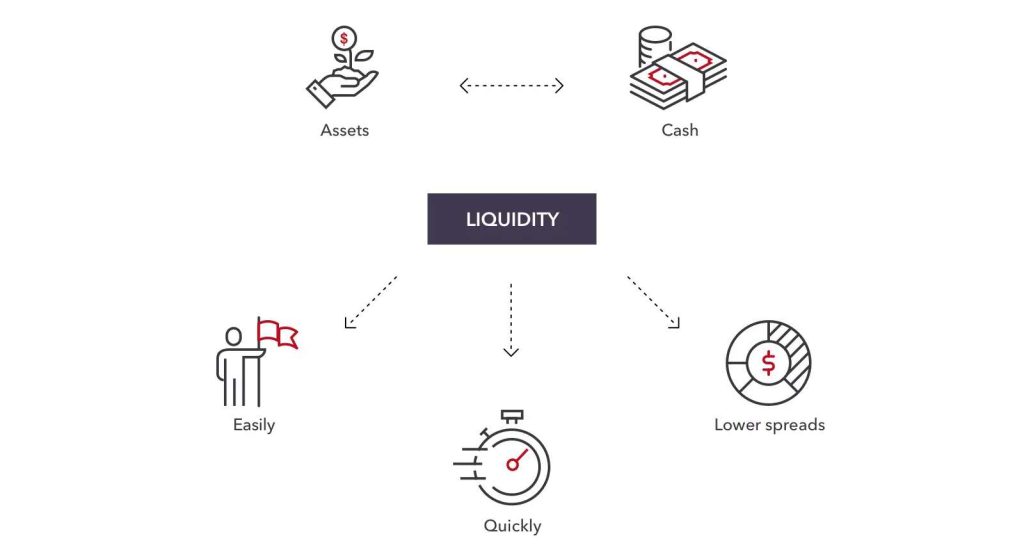
Also, your bridge is what keeps your price feed clean. It allows you to connect to multiple LPs, aggregate their quotes, and show the best bid/ask to your clients. That’s how tight spreads are formed in real ECN environments.
You can even configure your bridge to mark up the spread slightly or add a commission per lot traded, without affecting execution transparency. That’s your revenue model, right there.
Key Functions of a Liquidity Bridge
Let’s break down what a modern liquidity bridge should actually do:
- Order Routing: It decides where to send trades, based on price, depth of market, volume, time of day, or trader category.
- Price Aggregation: It collects prices from multiple LPs and sends the best quote to your platform.
- Execution Management: It handles order types like market, limit, stop, and partial fills.
- Risk Controls: It lets you set exposure caps, circuit breakers, and fallback LPs in case of price spikes or disconnects.
- Trade Reconciliation: It ensures executed trades match with your LP confirmations and your platform logs, very important for audit trails.
These features can vary depending on the bridge provider, so you need to compare based on what your brokerage actually needs.
Common Issues with Liquidity Bridge Integration
Now, before you get too excited and go signing a deal, here are a few problems brokers run into with liquidity bridge setup:
1. Sloppy LP Configuration
Just plugging in one LP doesn’t mean you’re “connected to liquidity.” You need failover logic, pricing filters, and volume thresholds. Otherwise, you’ll get stuck in volatile markets.
2. No Smart Routing
Without volume-based routing or time-based rules, you could end up sending large trades to LPs with shallow depth. That leads to partial fills, slippage, or price rejection.
3. Poor Monitoring
If you’re not tracking order execution in real-time, you won’t notice when your bridge is skipping quotes or disconnecting. It happens more often than you’d think.
4. Compatibility Issues
Some bridges work better with MT4, others are designed for MT5. If you’re running both platforms, double-check the vendor supports dual instances.
How to Choose the Right Liquidity Bridge
If you’re in the market for a liquidity bridge, don’t just go with the first provider you find. Here are a few tips based on what I’ve seen work:
Check provider support: Make sure the bridge supports all the liquidity providers you want to connect with.
Look for risk management features: Advanced tools for monitoring toxic flow, slippage control, and custom execution rules are must-haves.
Scalability: Your bridge should be able to handle increasing trade volumes without slowing down.
Integration: The bridge needs to work seamlessly with your trading platform and back-office systems.
Transparency and reporting: Look for solutions that offer detailed trade reporting and real-time monitoring.
I’ve made the mistake of underestimating the complexity of integration before. Trust me, it’s better to spend a little extra time (and money) upfront than to deal with angry clients later.
Do You Need a Bridge If You’re B-Book?
Not always. If you’re fully internalizing trades and managing risk yourself (B-Book), you can technically run without a liquidity bridge.
But most hybrid brokers still use one, because you might want to route profitable or high-volume traders to A-Book to reduce risk exposure.
So even if you’re mostly B-Book now, you’ll want a bridge in place for flexibility later. It’s one of those things that’s better to have and not need, than the other way around.
Read More: What Are Hybrid Forex Brokers? Full Explained
Final Thoughts
In the competitive world of forex brokerage, having a reliable liquidity bridge isn’t just a nice-to-have. It’s what lets you offer your clients the best possible trading conditions, manage risk, and grow your business.
Whether you’re a trader looking for better execution or a broker aiming to stand out, understanding the liquidity bridge meaning can give you a real edge.
If you’re considering launching your own forex broker, don’t overlook this technology. The right liquidity bridge can make the difference between a smooth, professional operation and one plagued by execution issues.
Need help setting up your liquidity bridge, choosing providers, or designing routing logic? Talk to TurnkeyInside.
We help new brokers build efficient, compliant, and profitable infrastructure, without wasting time on bad tech or poor execution setups.
